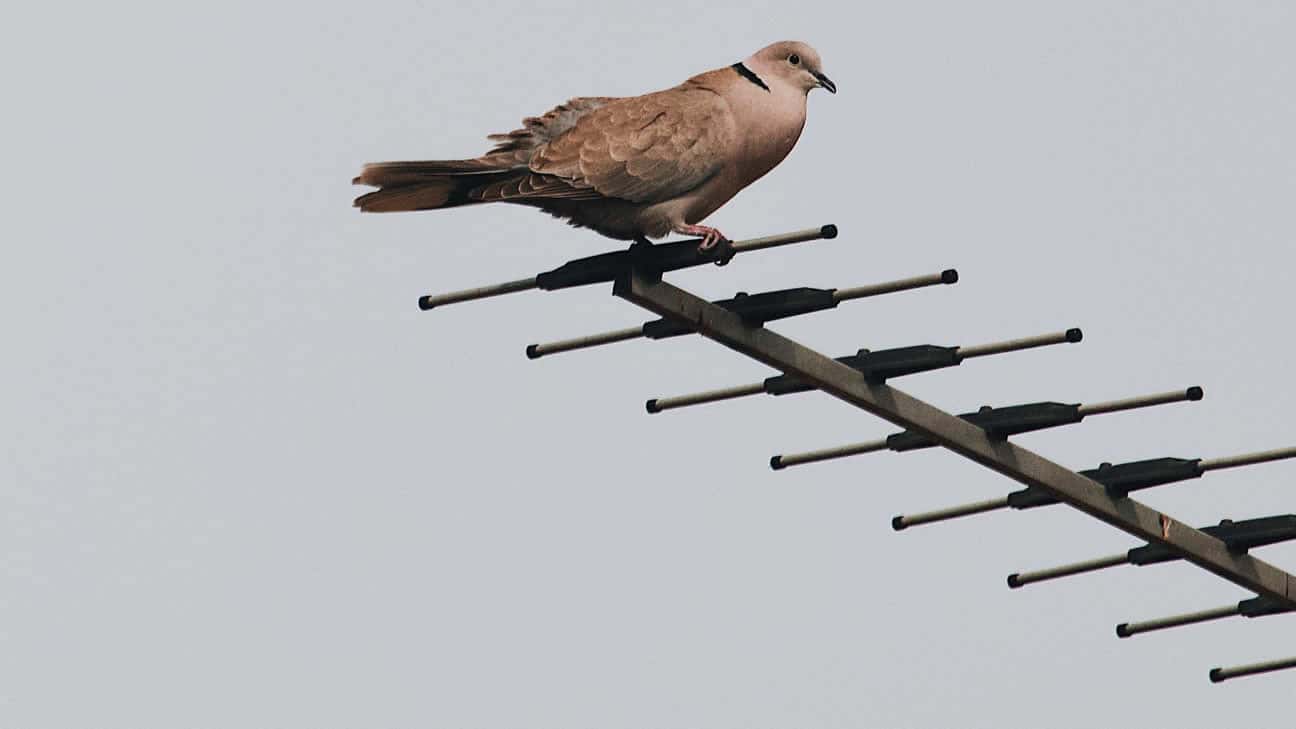
If you’ve noticed birds repeatedly landing on your TV aerial, you’re definitely not alone. It’s a common issue for homeowners across towns and cities, particularly where rooftops provide high, sheltered vantage points. Birds naturally look for safe resting places that give them visibility, warmth, and protection from predators, and a TV aerial often ticks all of those boxes.
At first, it might seem like nothing more than a mild nuisance. A pigeon, gull, or starling perched on the aerial may even look quite harmless. Over time, however, this behaviour can lead to signal disruption, loose fittings, corrosion from droppings, blocked drainage, and unsightly mess around your property. In some cases, persistent bird activity can even shorten the lifespan of the aerial itself.
The good news is that you don’t need to tolerate the problem or resort to anything harmful. There are safe, humane, and practical ways to stop birds sitting on your TV aerial while protecting your roof, your reception quality, and local wildlife. We explain why birds are attracted to aerials, the problems they can cause, the most effective deterrent methods, and when it’s best to involve a professional.
Why Birds Sit on TV Aerials
Birds are instinctively drawn to elevated perches. Height gives them a clear view of their surroundings, early warning of potential threats, and a strong vantage point for spotting food sources or navigating territory. A TV aerial provides a slim but stable structure that birds can grip easily, especially species such as pigeons, gulls, crows, and starlings.
In built‑up areas, natural perching options may be limited. Mature trees are often reduced, chimney pots may be capped, and rooflines are increasingly uniform. This pushes birds toward man‑made structures like aerials, satellite dishes, and roof ridges. If your home is near open land, coastal areas, food outlets, or nesting zones, bird activity can be even more frequent.
Seasonal behaviour also plays a role. During spring and early summer, birds become more territorial and actively scout safe locations near nesting sites. In colder months, rooftops retain warmth, making aerials attractive resting spots during daylight hours. Once birds become comfortable using a particular aerial, they often return repeatedly unless discouraged.
Problems Caused by Birds on TV Aerials
Although birds are protected wildlife and an important part of the ecosystem, their presence on aerials can create several practical problems for homeowners.
Bird droppings are acidic and can corrode metal elements over time. If droppings accumulate on fixings, brackets, or exposed cable sections, they can weaken materials and accelerate rust. Droppings also stain brickwork, render, patios, and vehicles parked below, creating extra cleaning and maintenance.
Repeated landing and take‑off puts physical strain on aerial elements and mounting brackets. In windy conditions, the combined movement of birds and wind can cause aerials to twist slightly out of alignment, leading to intermittent signal loss or pixelation on television channels. Even small shifts can affect digital signal quality.
Nesting behaviour presents a more serious risk. Birds may attempt to carry twigs, grass, and debris onto the aerial or nearby structures. Nest material can snag cables, obstruct drainage, and increase fire risk if close to flues or electrical components. Once nesting begins, removal may be restricted due to wildlife protection laws.
There is also the hygiene factor. Droppings can harbour bacteria and parasites, and regular roof access to clean affected areas increases safety risk for homeowners.
Safe and Humane Ways to Stop Birds Sitting on Your TV Aerial
The most effective bird control strategies focus on prevention rather than removal. The aim is to make the aerial uncomfortable or unattractive as a landing point without harming birds or damaging your property.
Install Bird Spikes on the Aerial
Bird spikes remain one of the most reliable and long‑lasting deterrents available. They work by creating an uneven surface that birds cannot comfortably land on. The spikes do not injure birds; they simply prevent perching.
Spikes can be fitted directly along the horizontal arms of the aerial or along nearby brackets and mounting poles where birds typically land first. High‑quality stainless steel or UV‑stabilised plastic spikes resist corrosion and weather damage, making them suitable for long‑term outdoor use.
Correct installation is important. Spikes must be securely fixed so they do not loosen in wind and must be positioned to block the main landing areas without interfering with signal reception or cable routing. When installed properly, spikes offer a discreet and highly effective solution.
Use Visual Deterrents Strategically
Visual deterrents such as reflective tape, spinning discs, holographic ribbons, or bird‑of‑prey decoys can help create a sense of movement and unpredictability around the aerial. Light reflection and motion can make birds feel less safe approaching the area.
These solutions tend to work best as temporary or supplementary measures. Birds are intelligent and often adapt once they realise the object poses no real threat. Periodically changing the position or type of visual deterrent can extend effectiveness, but physical deterrents usually deliver more consistent results.
Adjust Aerial Positioning or Height
In some cases, birds favour the aerial because of its proximity to roof ridges, chimneys, or other popular perching spots. Slight repositioning can make a surprising difference. Raising the aerial higher, moving it slightly away from a ledge, or changing the angle of the mounting pole may reduce accessibility.
Any repositioning should always prioritise signal quality and structural safety. A qualified installer can assess whether relocation improves reception while reducing bird activity.
Install Anti‑Perching Devices on Nearby Surfaces
Birds rarely land directly on the aerial without first using nearby surfaces. Chimney pots, roof edges, gutter brackets, and flat roof sections often act as stepping points. Installing deterrents on these areas can reduce overall bird traffic around the aerial.
Small spike strips, tensioned wires, or sloped covers can discourage landing without impacting roof integrity or drainage. Reducing available resting points naturally encourages birds to relocate.
Keep Roof Areas Clean and Unattractive
Birds are drawn to familiar scent markers and visible nesting material. If droppings or debris remain in place, birds are more likely to return. Where safely accessible, regular cleaning helps break this cycle.
Always prioritise safety. Avoid climbing roofs without proper access equipment or professional assistance.
What to Avoid When Dealing With Birds on Aerials
Avoid adhesive gels, sticky substances, sharp objects, or chemical repellents. These methods can injure birds, damage roofing materials, attract dirt, and may breach animal welfare regulations.
Improvised DIY solutions using nails, wire, or broken materials also create safety hazards and can invalidate insurance or warranties. Any method that risks falling debris or structural damage should be avoided.
Attempting to remove nests without proper authorisation may be illegal depending on the time of year and species involved.
When to Call a Professional Aerial Installer
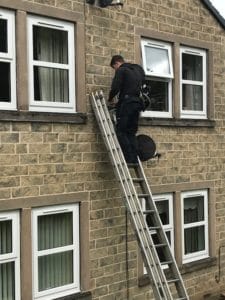
If birds have already caused visible damage, loose fixings, misalignment, or cable wear, a professional inspection is strongly recommended. An installer can assess the integrity of the aerial, re‑secure brackets, realign the signal, and install deterrents safely at height.
Professional fitting ensures that deterrents do not interfere with reception or violate building safety standards. It also reduces the risk of falls or accidental damage during installation.
In properties with difficult roof access, tall masts, or multi‑storey buildings, professional support is essential.
How to Prevent Birds Returning Long Term
Long‑term prevention usually involves combining multiple strategies rather than relying on a single solution. Physical deterrents block landing opportunities, cleanliness removes attraction cues, and thoughtful positioning limits access.
Seasonal inspections help catch loose fittings or displaced deterrents after storms and winter weather. Minor adjustments early prevent costly repairs later.
Monitoring activity patterns can also help identify secondary perching areas that may need attention.
Understanding Wildlife Protection and Legal Considerations
In the UK, all wild birds and their active nests are protected by law. It is illegal to intentionally harm birds or disturb nests in use. This means that deterrent measures should always focus on prevention rather than removal.
If nesting has already occurred, professional advice should be sought before any action is taken. Timing installations outside breeding seasons is often the safest approach.
Using humane deterrents protects both wildlife and homeowners from legal risk.
Signal Quality and Structural Integrity Considerations
Any modification to an aerial setup must preserve signal strength and stability. Poorly positioned spikes, loose fixings, or accidental bending of aerial elements can affect reception.
After installing deterrents, it’s worth checking signal quality and ensuring cables remain securely clipped and protected from wind movement.
Regular visual inspections from ground level can help spot early issues.
Weather and Environmental Factors
High winds, heavy rain, and freezing temperatures accelerate wear on exposed components. Bird droppings combined with moisture can speed up corrosion. Coastal properties may experience additional salt exposure.
Choosing corrosion‑resistant materials and ensuring proper drainage helps extend equipment lifespan.
Final Thoughts
Birds sitting on your TV aerial may seem minor initially, but over time the impact on reception quality, structural stability, and property cleanliness can become costly and frustrating. Addressing the issue early with humane deterrents protects both your equipment and the local environment.
By understanding why birds are attracted to aerials and applying practical prevention methods, you can create a long‑term solution that keeps your roof clear, your signal reliable, and your property looking well maintained.