Thinking about getting a CCTV camera installed? You’re not alone. More and more people across the UK are turning to CCTV for peace of mind, protection, and better control over their property. But there’s one question that always comes up before you dive in—how much does it actually cost to install CCTV?
The short answer is: it depends. The long answer? Well, that’s what we’re going to unpack here. Whether you’re fitting cameras outside your home, covering your driveway, or installing a full system for your business, this guide will walk you through the real costs—without the jargon or sales pitch.
Let’s get into it. Please note that this does not reflect our own prices, but it is an average estimate based on personal feedback. If you are interested in hearing back about CCTV services then get in touch with The Aerial Guys.
Why should you install CCTV in the first place?
Before we talk about prices, it’s worth asking what you’re hoping to get out of it. Because the cost only makes sense when you understand the value.
Here’s what installing CCTV can do for you:
- It deters burglars and vandals just by being visible.
- It helps you keep an eye on your property when you’re away.
- It gives you evidence if something goes wrong—whether it’s a break-in, a dispute with a neighbour, or a delivery gone missing.
- It helps reduce your insurance premiums in some cases.
So, you’re not just buying cameras. You’re buying peace of mind. You’re buying a better night’s sleep. And you’re making it clear to others that your property isn’t an easy target.
How much does a basic CCTV system cost?
Let’s start simple. If you’re looking to install one or two cameras for your home, you’re probably looking at:
- Around £300 to £600 for supply and install of a basic system.
- That would typically include two external cameras, a DVR (Digital Video Recorder), and the necessary cables and fittings.
This kind of setup is enough for most small homes, especially if you only want to monitor your front and back doors or your driveway.
If you’re thinking about doing it yourself, you might find a cheap kit online for as little as £150, but keep in mind you’ll need the tools, time, and confidence to run cables and get the setup working properly. And if you mess it up? You could end up paying someone to redo it anyway.
What factors change the price of CCTV installation?
This is where things can start to vary a lot. Let’s go over what affects the final cost.
Number of cameras you want
More cameras mean more time, more wiring, and more equipment. If you’re installing a four-camera system, expect to pay £600 to £1,000, depending on the type and quality of the cameras.
Type of camera
There are loads of different CCTV cameras out there. Here are the main ones you’ll come across:
- Analogue cameras – These are the cheapest. They get the job done but don’t expect crystal-clear footage. Good for basic use.
- HD CCTV cameras – Much better quality, especially if you need to see faces or number plates clearly. These are standard now for most installations.
- IP cameras – These use your internet connection and give the best quality. They’re often wireless and work with apps, but they’re more expensive and sometimes need a stronger Wi-Fi connection.
Whether you want night vision or motion detection
Basic cameras record everything. More advanced ones only record when they detect movement and work well in the dark. These features cost a bit more upfront but can save storage space and make reviewing footage easier.
Where you live
If you’re in London or another major city, labour costs are usually higher. In rural areas, you might pay a bit less—but if you’re far from a supplier or installer, there could be extra travel charges.
Wiring and access
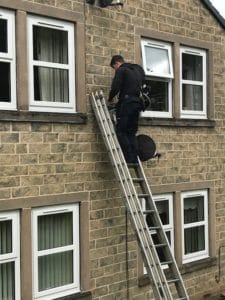
Installing cameras can get fiddly. If your walls are solid brick, or if there’s no easy way to run cables, the job takes longer. Likewise, if you want cameras fitted up high or in awkward spots, the installer might need ladders, towers, or extra help.
That means more time on site—and more labour costs.
Professional monitoring or remote access
If you want to check your cameras from your phone, you’ll need a system with that feature. Most modern CCTV systems offer remote viewing, but you may need to pay extra for cloud storage or subscription-based monitoring services.
Some companies offer remote monitoring for around £15–£50 a month, depending on how comprehensive the service is.
What’s included in a CCTV installation quote?
When you get a quote, make sure it covers:
- Site visit and assessment
- Camera units and mounting brackets
- Digital video recorder or network video recorder
- Wiring and cable management
- Configuration of remote access, if applicable
- Demonstration of how it all works
A good installer won’t just put the cameras up and leave. They’ll help you understand how to use the system and give advice on where to position cameras for the best coverage.
Should you install CCTV yourself to save money?
You can, but it depends on your skills and the setup you want.
DIY systems are fine for small jobs where you’re happy to put in a bit of time. You can buy plug-and-play kits from shops like Amazon, Screwfix, or Currys. But if you need cables run through walls, want proper footage angles, or just want peace of mind that it’s done right, it’s worth hiring someone.
A poor install could leave blind spots or give you unusable footage. Worse still, if you damage a wall or drill through a pipe, it could cost more to fix than to pay a pro in the first place.
How long does CCTV installation take?
Most home CCTV installs take half a day to a full day. That depends on how many cameras you’re having, where they’re going, and how tidy the installer is with wiring.
For businesses or bigger properties with multiple cameras and complex layouts, it could take a couple of days.
Can you get help with CCTV installation costs?
Some councils and housing associations offer grants or support for vulnerable people who need extra security. It’s worth checking locally. These are usually aimed at older people, those who’ve been victims of crime, or those living in high-risk areas.
You might also be able to claim your CCTV system as a business expense if it’s for commercial use. That could reduce your tax bill a bit, depending on how your business is set up.
Do you need planning permission to install CCTV?
In most cases, no.
If the cameras are for your own home and only cover your property, you don’t need permission. But if your cameras overlook public land, someone else’s garden, or shared spaces, things get a bit trickier.
You still have the right to record for security, but you must follow data protection laws—like putting up signs to say CCTV is in use and making sure the footage is stored safely.
For businesses, there are stricter rules. You might need to register with the Information Commissioner’s Office (ICO) and follow GDPR requirements.
How do you choose the right installer?
Here’s what to look for:
- Someone local with good reviews
- A trader who belongs to a recognised scheme like SSAIB or NSI
- Someone who’ll visit and give a proper written quote—not just a guess over the phone
- A company that offers aftercare and support in case anything goes wrong
Don’t just go with the cheapest quote. You want someone who knows what they’re doing and will be around if the system plays up later.
Final thoughts: Is it worth the money?
If you’re serious about keeping your home, family, or business safe, then yes—it’s worth it.
You’re not just paying for cameras. You’re paying to feel safer. To catch what others miss. To protect what matters most.
Sure, it’s an investment. But it’s one that can save you money in the long run, deter crime before it happens, and give you that crucial bit of evidence if things do go wrong.
So what’s next?
If you’re ready to get started, start by doing the following:
- Think about how many cameras you need and what you want to monitor
- Set a rough budget—something between £300 and £1,000 will suit most homes
- Look for local installers with strong reviews and ask for a site visit
- Make sure you understand exactly what’s included in the quote
Once the cameras are in, test them. Check the angles. Walk past them. See what shows up on the footage. It’s your system—make sure it’s working how you need it to.
And once it’s all in place, you’ll probably wonder why you didn’t do it sooner. Because that little red light blinking on the wall? It’s more than just a camera. It’s your safety net. Your second pair of eyes. And it’s one of the best ways to take back control of your space.