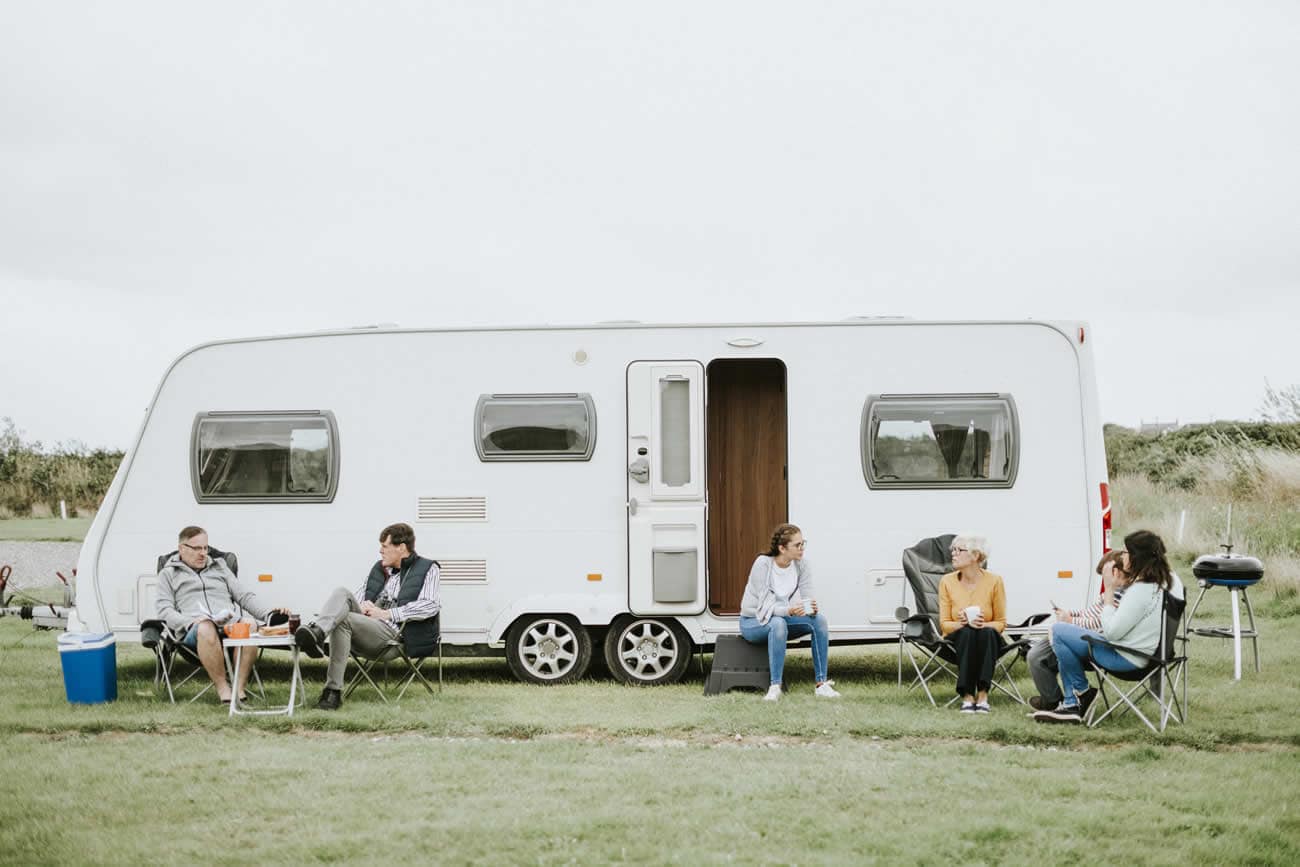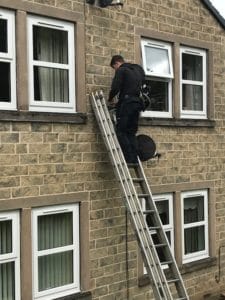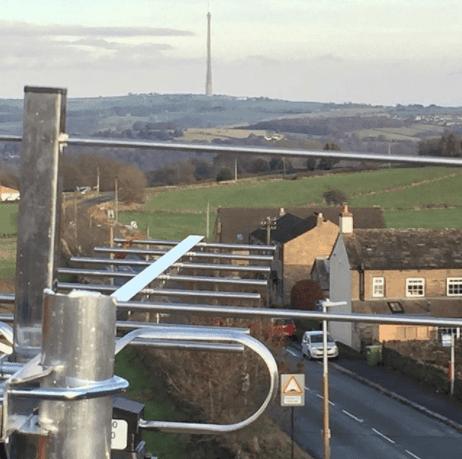
If you own a static caravan, park home, or mobile home in the UK, reliable TV reception is probably high on your priority list. While modern streaming has its place, many caravan owners still rely on Freeview and satellite services for dependable, subscription-free viewing. The problem is that signal quality in caravan parks can vary widely, and a poorly installed aerial often leads to pixelation, missing channels, or constant retuning.
The installation of TV aerials on static homes and caravans requires a different approach from a standard house setup. Height restrictions, lightweight structures, and exposure to wind all mean that careful planning is essential. Choosing the wrong aerial type or mounting position can leave you with frustrating reception problems, especially in rural or coastal areas of the UK.
At The Aerial Guys, we regularly install and repair aerial systems for static caravans, park homes, and holiday lodges across the UK. We’ll explain exactly how caravan aerial installation works, what equipment performs best, and how to ensure you get a strong, stable TV signal wherever your caravan is located.
Why Static Homes & Caravans Need Specialist Aerial Installation
Installing a TV aerial on a static caravan or park home is not the same as fitting one to a traditional brick property. Many reception problems we see come from installers treating caravans like standard houses, which often leads to weak signal performance and premature equipment failure.
Static homes and caravans have structural limitations that affect how and where aerials can be mounted. The outer walls are typically thinner and lighter, which means heavy-duty brackets or large high-gain aerials may not be suitable without proper reinforcement. Wind exposure is also a bigger factor, particularly on open holiday parks or coastal sites where gusts can easily shift poorly secured equipment.
Height is another key consideration. Unlike houses with chimney stacks, caravans usually sit lower to the ground, which can reduce line-of-sight to the nearest transmitter. This makes aerial choice and positioning far more important. Power supply can also influence installation, especially when signal boosters or powered omnidirectional aerials are involved.
Key factors that make caravan aerial installs different include:
- Lightweight wall construction requires appropriate mounting methods to prevent damage.
- Lower roof height can reduce signal strength if aerial positioning is not carefully planned.
- Greater wind exposure increases the need for secure brackets and proper alignment.
- Park regulations may restrict external fixtures in some holiday sites.
- The electrical setup may influence whether amplification is required.
Because of these variables, a specialist approach is always recommended when installing TV aerials on static homes and caravans.
Types of TV Aerials for Static Homes and Caravans
Choosing the right aerial is one of the most important decisions in any caravan TV setup. The best option depends heavily on your signal area, the permanence of the caravan location, and whether ease of use or maximum signal strength is the priority.
Omnidirectional Aerials
Omnidirectional aerials are popular on caravans because they are designed to receive signals from all directions. This means they do not require precise alignment with a transmitter, making them quick and convenient to install.
They are particularly useful on touring caravans or holiday units that may change position. In strong signal areas, an omnidirectional aerial can provide perfectly adequate Freeview reception with minimal setup.
However, they do have limitations. Because they capture signals from every direction, they typically have lower gain than directional aerials. In weak signal areas, rural parks, or valleys, performance can be inconsistent.
Directional Aerials
Directional aerials focus on signals coming from one specific transmitter direction. When properly aligned, they usually provide much stronger and more stable reception than omnidirectional models.
For many static caravan parks in the UK — especially those in rural Yorkshire, Lancashire, Cumbria, and coastal regions — a directional aerial is often the better long-term solution. It does require professional alignment, but the improved reliability is usually worth it.
The downside is that directional aerials are less forgiving if the caravan is moved, and they typically require a more secure mounting arrangement.
Pole or Elevated Mount Options
Some park homes and larger static units benefit from a pole-mounted aerial system. Raising the aerial even by a metre or two can significantly improve signal quality, particularly where nearby caravans, trees, or site buildings cause interference.
This approach is often used where standard roof mounting does not deliver reliable Freeview reception.
Choosing the Right Aerial for Your Location (UK Focus)
The best aerial for a static caravan in the UK depends heavily on location. Signal strength varies dramatically across the country, and what works perfectly on one holiday park may struggle badly on another just a few miles away.
In strong signal areas — typically near major towns and cities — an omnidirectional aerial is often sufficient. These areas benefit from powerful transmitters and fewer obstructions, making reception more forgiving.
In weaker signal regions, such as rural parks, coastal sites, valleys, or heavily wooded areas, a directional high-gain aerial usually performs far better. Distance from the nearest transmitter is one of the biggest factors affecting caravan TV reception.
You should also consider physical obstructions around your caravan. Trees, nearby caravans, site buildings, and even terrain changes can all block or weaken signal paths. Coastal locations may experience additional wind exposure, which makes secure mounting even more important.
Temporary siting versus permanent placement also matters. If your caravan stays in one location year-round, a professionally aligned directional aerial is typically the most reliable choice. If the unit is moved regularly, a quality omnidirectional aerial may be more practical.
Step-by-Step Installation Process (Professional Method)
A professional installation of TV aerials on static homes and caravans follows a structured process designed to maximise signal quality and long-term reliability.
- Signal survey: The installer first checks local transmitter data and performs a signal test at the caravan location. This determines the best aerial type and mounting position.
- Mounting position selection: The highest practical and safest fixing point is chosen. This is usually the caravan side wall or a dedicated pole mount.
- Bracket and mast installation: Appropriate caravan-safe brackets are fitted securely, ensuring the structure is not damaged. The mast is then installed and levelled.
- Aerial alignment: For directional aerials, precise alignment towards the correct UK transmitter is critical. Professional signal meters are used to fine-tune the position.
- Cable routing and weatherproofing: High-quality coaxial cable is neatly routed into the caravan. External connections are sealed to prevent water ingress.
- Signal testing and tuning: The TV system is tuned and tested across multiple channels to confirm stable reception.
While some DIY kits are available, improper mounting or poor alignment is one of the most common causes of caravan TV signal problems. Safety is also important, particularly when working at height or drilling into caravan structures.
Common TV Signal Problems in Static Caravans
Even with decent equipment, caravan owners often experience reception issues. Many of these problems are easily fixed once the root cause is identified.
Typical issues include:
- Pixelation or picture breakup often indicates weak or fluctuating signal strength.
- Missing channels usually mean incorrect tuning or poor aerial alignment.
- An intermittent signal can be caused by loose connections or wind movement.
- Complete signal loss may indicate cable damage or amplifier failure.
- Poor weather performance often points to marginal signal levels.
Quick troubleshooting tips:
- Check all coax connections are tight and corrosion-free.
- Retune the TV after any aerial adjustment.
- Inspect the aerial for movement after strong winds.
- Replace low-quality fly leads with double-screened cable.
- Consider a signal booster if readings are borderline.
If problems persist, a professional signal test is usually the fastest way to diagnose the fault.
Professional vs DIY Caravan Aerial Installation
Many caravan owners consider installing their own aerial system, and in very strong signal areas, this can sometimes work. Basic DIY kits are widely available and may be suitable for temporary setups.
However, professional installation offers several important advantages. Correct alignment alone can make a significant difference to channel stability, especially in weaker reception areas. Professionals also use proper signal meters rather than relying on guesswork.
Safety is another factor. Caravans are not designed like houses, and incorrect drilling or mounting can cause structural damage or water ingress. A secure installation also reduces the risk of aerial movement during high winds.
DIY installation may suit short-term use or locations with a strong signal, but for most static homes and park caravans, professional fitting delivers more reliable long-term performance.
Installation Costs in the UK (2025–2026 Guide)
Caravan aerial installation costs in the UK vary depending on equipment, signal conditions, and mounting complexity. As a general guide:
- Basic aerial supply and fit typically ranges from £120 to £220.
- Directional high-gain aerial systems may cost between £180 and £350.
- Mast or pole installations can add £50 to £150, depending on height.
- Signal boosters or amplifiers usually range from £40 to £120 installed.
- Full caravan TV system setups may reach £300 to £500 in complex locations.
Prices vary by region and access conditions, so a proper site assessment is always recommended before quoting.
Why Choose The Aerial Guys
When it comes to installing TV aerials for static homes and caravans, experience matters. At The Aerial Guys, we work across a wide range of UK holiday parks, residential park home sites, and private caravan locations.
Our engineers carry professional signal testing equipment, which allows us to identify the strongest available transmitter before installation begins. We focus on neat cable routing, secure mounting, and long-term reliability rather than quick temporary fixes.
Because we regularly work on caravans and park homes, we understand the structural differences and the importance of using the correct brackets and fixings. Whether you need a brand-new aerial system, a signal upgrade, or fault diagnosis, we aim to deliver clear pictures and stable reception without unnecessary upselling.
Frequently Asked Questions
Do I need a special aerial for a static caravan?
In many cases, yes. Static caravans often sit lower than houses and may be located in areas with weaker signal coverage. While some standard aerials can work, caravan-specific or high-gain directional aerials usually provide more reliable results, particularly on rural or coastal holiday parks across the UK.
Can I use a house aerial on a caravan?
You can sometimes use a house aerial, but it is not always ideal. Traditional roof aerials may be too heavy or unsuitable for caravan wall structures. Caravan installations typically require lighter mounting systems and careful positioning to avoid damage while still achieving good signal strength.
What height should a caravan aerial be?
The aerial should be mounted as high as safely possible while remaining securely fixed. Even small height increases can improve signal quality. In many UK caravan parks, raising the aerial just one or two metres above roof level can significantly improve Freeview reception.
Are omnidirectional aerials any good in the UK?
They can work well in areas with a strong signal, particularly near towns and cities. However, in weaker signal regions, directional aerials usually perform better. Many UK caravan owners upgrade from omnidirectional models when they experience inconsistent reception.
Why does my caravan TV lose signal in bad weather?
Wind can slightly move poorly secured aerials, which affects alignment. Heavy rain can also weaken already marginal signals. If your system struggles in bad weather, it often means signal strength is borderline and may benefit from realignment or a higher-gain aerial.
Do park homes need a signal booster?
Not always, but boosters can help in areas with weaker signals. A proper signal test should be carried out first, because amplification will not fix poor aerial positioning. When used correctly, a masthead or indoor booster can improve stability on longer cable runs.
Can you install an aerial on a metal caravan?
Yes, but care is required. Metal structures can affect signal reflection and grounding. Professional installers use appropriate brackets and positioning techniques to minimise interference and ensure safe mounting without damaging the caravan exterior.
How long does caravan aerial installation take?
Most standard installations take between one and two hours. More complex setups involving pole mounts, cable routing through multiple rooms, or signal troubleshooting may take longer. A professional installer will usually confirm expected times after assessing the site.
Our Final Say!
The installation of TV aerials on static homes and caravans is more specialised than many people realise. Factors such as mounting height, local signal strength, wind exposure, and aerial type all play a major role in whether you enjoy clear, reliable television or constant frustration.
While some strong-signal locations may cope with basic DIY setups, many UK caravan parks benefit significantly from professional aerial installation and alignment. Choosing the correct equipment and fitting it securely can dramatically improve channel stability and long-term performance.
If you want dependable Freeview reception at your static caravan or park home, taking the time to assess your signal conditions and install the right aerial properly is always worth it. The Aerial Guys are on hand to help ensure your system is set up for the best possible viewing experience wherever your caravan is located.