For many households across the UK, free television still plays a big role in everyday viewing. Plenty of people simply want reliable access to the main UK channels without paying monthly subscription fees. Two of the most popular options are Freeview and Freesat. Both services provide access to a wide range of television channels without ongoing costs, but they work in very different ways.
From our experience installing aerial and satellite systems across the North West, we often get asked which one is better. The truth is that both systems have their advantages. Some homes benefit more from a TV aerial, while others get a far stronger and more reliable signal through a satellite dish. The best choice often depends on signal strength, property location, and how many channels you want.
Understanding how each system works makes it much easier to decide which setup is best for your home.
What Is Freeview and How Does It Work?
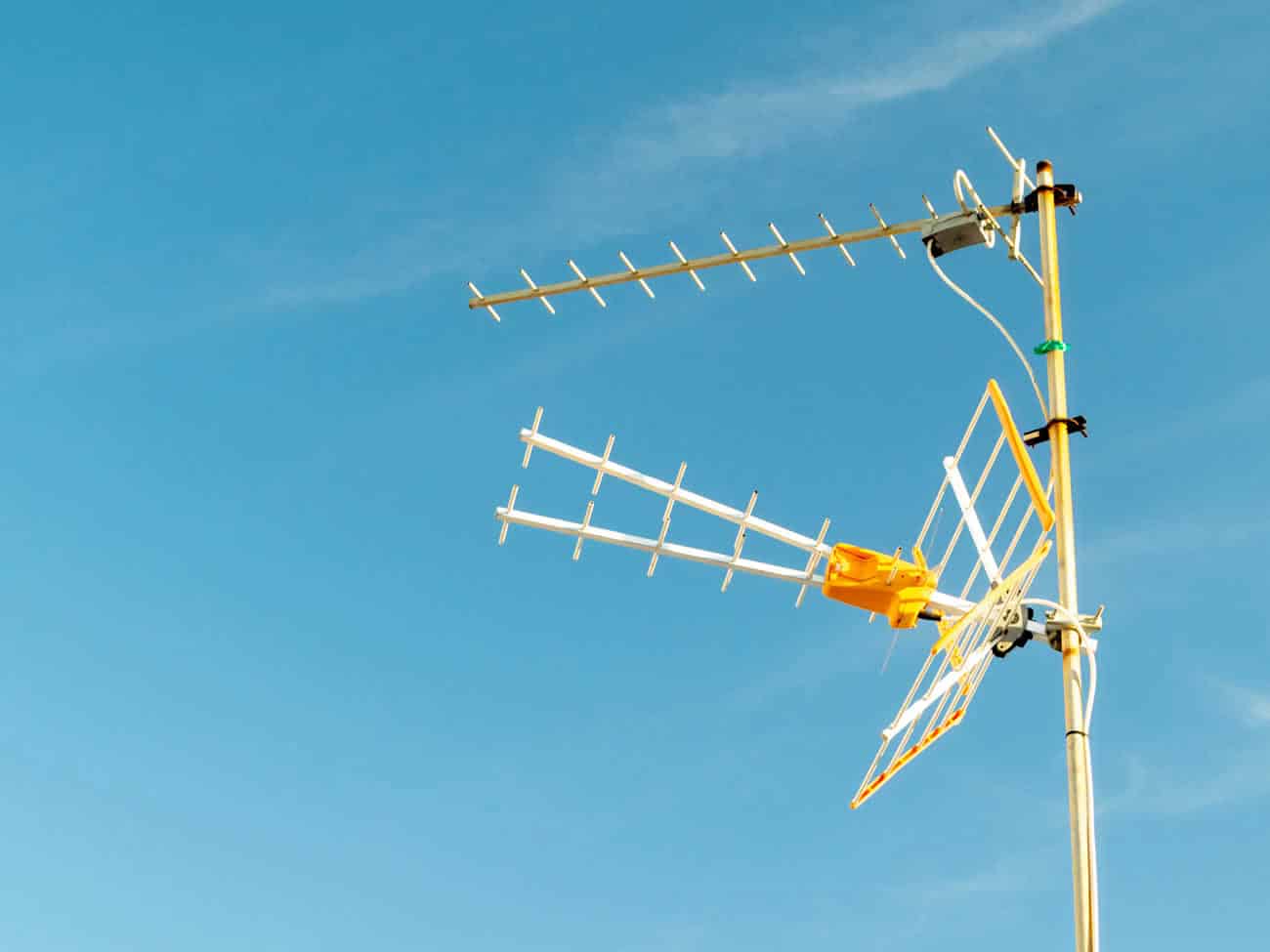
Freeview is the most common way people in the UK watch free television. The system works by receiving broadcast signals from land-based transmitters through a TV aerial installed on the property.
Many modern televisions already include a built-in Freeview tuner, which means you can connect an aerial directly to the TV and start watching channels straight away. This simplicity is one of the reasons Freeview remains extremely popular.
Freeview works through terrestrial broadcasting, which means signals travel from transmitters positioned across the country. Your aerial receives these signals and sends them to your television.
Some key points about Freeview include:
- Freeview uses a rooftop or loft aerial to receive signals from local transmitters.
- Most modern televisions include Freeview built directly into the TV.
- Around 70 standard channels and several HD channels are available.
- Reception quality depends on the strength of the aerial signal in your area.
Signal strength can vary depending on where your property is located. Homes close to transmitters usually receive strong signals, while properties further away or surrounded by hills and buildings can sometimes struggle with reception.
A correctly installed aerial makes a big difference. Proper positioning and the right type of aerial can often improve signal quality significantly.
What Is Freesat and How Does It Work?
Freesat works differently because it receives television signals from satellites rather than land-based transmitters. Instead of using a TV aerial, the system uses a satellite dish installed on the property.
The dish receives signals from satellites orbiting above the Earth. These signals are then passed through the dish’s LNB (the receiver mounted on the front of the dish) and sent through a cable to the television or satellite receiver.
Many modern televisions now include built-in Freesat tuners, making it easier than ever to access satellite TV without needing extra equipment.
Some key points about Freesat include:
- Freesat uses a satellite dish installed on the property.
- Television signals are received from satellites orbiting above the UK.
- A Freesat-compatible television or satellite receiver is required.
- The system provides access to a large range of free channels.
Satellite signals cover almost the entire country. Because the signal comes directly from space rather than from local transmitters, Freesat often provides consistent reception even in areas where aerial signals are weak.
For many homes in rural areas, satellite TV can be the most reliable option.
Channel Comparison: Freesat vs Freeview
Both Freeview and Freesat provide access to the main UK television channels, including BBC, ITV, Channel 4 and Channel 5. These core channels are available through both systems, so for many viewers, there is little difference in day-to-day viewing.
The main difference comes in the number of additional channels available.
Freeview offers a good selection of entertainment, news, lifestyle and shopping channels. For many households, this is more than enough. Freesat, however, generally provides a wider range of channels because satellite broadcasting allows for greater capacity.
When comparing the two services:
- Freeview offers around 70 standard channels along with several HD channels.
- Freesat provides access to over 200 television and radio channels.
- Both services include the major UK broadcasters.
- Satellite platforms often include more specialist and international channels.
While not every channel on Freesat will appeal to everyone, the wider selection can be useful for viewers who want more variety.
For people who only watch the main UK channels, the difference in channel numbers may not be particularly important.
Signal Coverage and Reliability
Signal reliability is one of the biggest differences between Freeview and Freesat.
Freeview relies on terrestrial transmitters positioned across the UK. These transmitters broadcast signals that are picked up by TV aerials. In many towns and cities, this works extremely well. However, the signal can weaken depending on the distance from the transmitters and the obstacles between the transmitter and the property.
Things that can affect Freeview signal strength include:
- Distance from the nearest transmitter.
- Hills or buildings blocking the signal path.
- Poor aerial positioning or installation.
- Interference from surrounding structures.
In strong signal areas, Freeview works perfectly well and provides clear reception.
Satellite signals work differently. Freesat receives signals directly from satellites positioned above the Earth, which means coverage extends across almost the entire UK.
This means that:
- Freesat reception is available in nearly all areas of the country.
- Satellite signals are less affected by local obstacles.
- Rural properties often receive stronger signals through satellite dishes.
Because of this, satellite TV is often the better option in remote locations or areas with weak aerial signals.
Installation Differences Between Freesat and Freeview
The installation process also differs between the two systems.
Freeview requires a TV aerial that can receive signals from nearby transmitters. This aerial is usually installed on the roof, chimney, or inside the loft depending on signal strength. A cable then runs from the aerial directly to the television.
Freeview installation typically involves:
- Installing or upgrading a TV aerial.
- Running coaxial cabling from the aerial to the television.
- Tuning the television to receive channels.
Freesat installation involves fitting a satellite dish and aligning it precisely towards the correct satellite position. Accurate alignment is essential to receive a clear signal.
Satellite installations usually involve:
- Mounting a satellite dish on an external wall or chimney.
- Aligning the dish to the correct satellite position.
- Running cables from the dish to the receiver or television.
Both systems can support multiple televisions in the home, although satellite systems may require additional cabling or receivers depending on the setup.
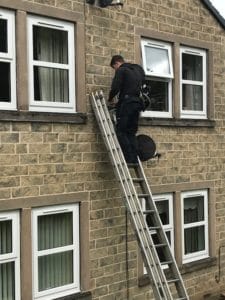
Professional installation ensures both systems deliver the best possible signal.
When Freeview Is the Best Choice
Freeview is often the easiest option for many homes, particularly in areas where aerial signals are strong.
Many households already have an aerial installed, which means Freeview can often be set up quickly with minimal work required.
Freeview is a good choice for homes that:
- Are located in strong aerial signal areas.
- Already have a functioning rooftop or loft aerial.
- Mainly watch the main UK television channels.
- Prefer a simple television setup.
Because the system is straightforward and widely supported by televisions, Freeview remains one of the most convenient ways to watch free television in the UK.
When Freesat Is the Best Choice
Freesat becomes a better option when aerial reception is poor or unreliable.
Properties located in rural areas often struggle with terrestrial signals due to distance from transmitters or surrounding terrain. In these situations, a satellite dish can provide a far stronger signal.
Freesat is particularly useful for homes that:
- Are located in rural or remote areas.
- Experience weak or inconsistent aerial signals.
- Want access to a wider selection of channels.
- Prefer a stable signal across multiple televisions.
Because satellite signals cover almost the entire country, Freesat often solves reception problems that aerial systems cannot overcome.
Choosing the Right Free TV Service for Your Home
Both Freeview and Freesat provide access to a wide range of free television channels without ongoing subscription costs. The main difference lies in how each system receives its signal.
Freeview relies on a TV aerial connected to land-based transmitters, while Freesat uses a satellite dish to receive signals from orbiting satellites.
The best choice usually depends on a few key factors:
- The strength of the aerial signal in your area.
- Whether a satellite dish can be installed at the property.
- The number of channels you want access to.
- The existing equipment is already installed in the home.
In many towns and cities, Freeview works perfectly well and offers all the channels most people watch. In areas where aerial signals are weaker, Freesat often provides a stronger and more reliable alternative.
Choosing the right system ensures clear reception, stable viewing, and access to the channels you enjoy most.