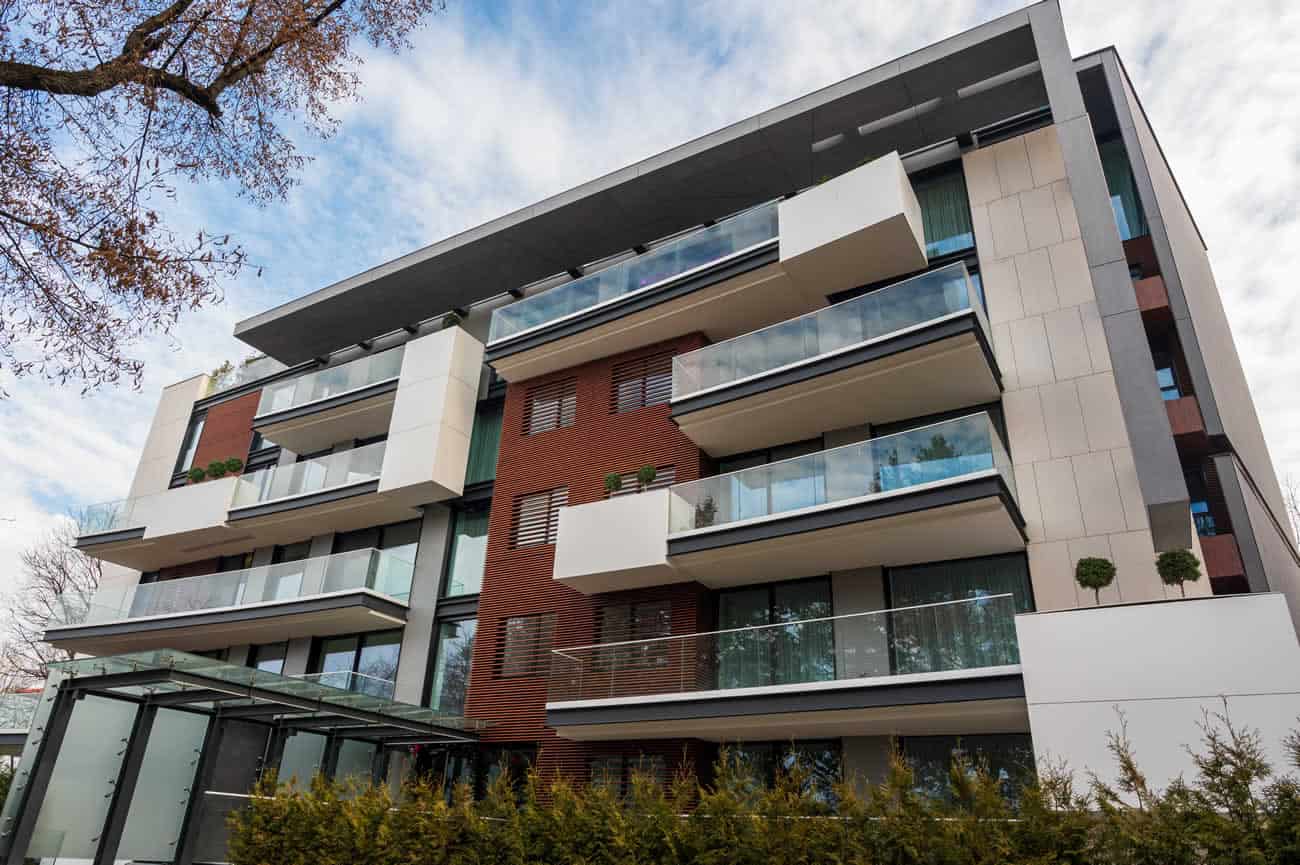
Living in a flat or apartment can sometimes make television installation feel more complicated than it needs to be. Many residents assume that installing a TV aerial is only possible for houses with rooftops or chimneys. In reality, flats and apartment buildings often have well-designed systems that allow multiple homes to receive television signals from one shared installation.
Across the UK, thousands of apartment blocks rely on communal aerial systems that distribute television signals throughout the building. These systems allow every flat to receive Freeview or satellite television without the need for individual aerials attached to each property.
From our experience installing and maintaining aerial systems, we often find that many residents are not aware of how these setups work. Understanding the options available in flats and apartments can help tenants, homeowners, and landlords ensure reliable television reception.
Whether the building already has a communal system or requires a new installation, there are several ways to deliver strong TV signals to every apartment.
How TV Reception Works in Flats and Apartments
Television reception in houses is usually simple. A rooftop aerial receives signals from nearby transmitters and sends those signals directly to the television inside the property.
Flats and apartment buildings work differently because many homes share the same structure. Installing separate aerials for every property would quickly cover the building with equipment and cables.
Instead, many apartment buildings rely on shared reception systems that distribute television signals to multiple flats at the same time.
Typical systems used in flats include:
- Communal TV aerial systems serving the entire building
- Satellite dish systems distribute signals to multiple apartments
- Integrated reception systems combining aerial and satellite signals
- Signal amplifiers and distribution equipment route signals through internal cabling
These systems allow residents to connect their television directly to a wall socket inside the flat, which links to the main aerial system installed on the roof of the building.
What Is a Communal TV Aerial System?
A communal aerial system is designed to supply television signals to multiple flats from one central aerial installation.
The aerial is usually mounted on the roof of the building where the signal strength is strongest. From there, the signal is sent through amplifiers and distribution units that route the signal through cables to each apartment.
This system allows every property in the building to access the same broadcast signals without installing individual aerials.
A typical communal aerial system includes:
- A high-quality rooftop aerial receiving Freeview signals
- Signal amplifiers boost reception strength
- Distribution equipment sends signals to each flat
- Wall outlet sockets inside each apartment
Communal aerial systems are widely used in:
- Apartment blocks
- Housing developments
- Student accommodation
- Multi-occupancy buildings
Because the system is centralised, maintenance and upgrades can also be carried out more easily than managing dozens of separate aerial installations.
Integrated Reception Systems (IRS) Explained
Many modern apartment buildings now use Integrated Reception Systems, often referred to as IRS systems.
An IRS system combines multiple broadcast signals and distributes them across the building through a shared network. This type of setup allows residents to receive both terrestrial and satellite television through a single wall outlet.
These systems can distribute several services at once.
Common signals delivered through IRS systems include:
- Freeview television channels
- Freesat satellite broadcasts
- Digital radio services
- Satellite television services
The signals are received through aerials and satellite dishes mounted on the roof. From there, the signals are processed through a central distribution system that sends them through the building’s internal cabling.
This approach removes the need for every flat to install its own satellite dish or aerial, while still providing access to a wide range of channels.
Can Residents Install Their Own TV Aerial?
Installing a personal aerial in a flat is sometimes possible, but there are usually restrictions.
Most apartment buildings have management companies or landlords who control modifications to the exterior of the building. This often includes aerials and satellite dishes.
Before installing an aerial, residents may need permission from:
- The building management company
- The landlord or property owner
- The property freeholder
In some cases, installing external equipment may not be allowed at all, particularly in buildings where communal systems already exist.
Even when permission is granted, installers must ensure that mounting equipment and cabling do not damage the building structure.
Because communal systems already serve most apartment blocks, installing individual aerials is often unnecessary.
Common TV Signal Problems in Flats
Even with communal aerial systems in place, television reception problems can occasionally occur.
Signal issues in flats often affect multiple residents because the same system distributes signals throughout the building.
Typical problems include:
- Weak signal reaching certain apartments
- Faulty amplifiers or distribution equipment
- Damaged or ageing cabling inside the building
- Incorrect TV tuning or outdated equipment
If several flats experience the same reception problems, the issue usually lies with the main aerial system rather than individual televisions.
Professional aerial engineers can test signal levels at different points in the system to identify where the fault occurs.
Freeview vs Freesat in Apartment Buildings
Two of the most common television services used in flats are Freeview and Freesat.
Both services provide access to free television channels across the UK, but they use different technologies.
Freeview works through terrestrial broadcasting. Signals are transmitted from land-based transmitters and received through a TV aerial.
Freesat works through satellite broadcasting. Signals are transmitted from satellites orbiting above the Earth and received through satellite dishes.
Some important differences include:
- Freeview uses terrestrial transmitters and TV aerials
- Freesat receives signals through satellite dishes
- Satellite signals usually cover a wider geographical area
- Both systems include major UK channels such as the BBC and ITV
Apartment buildings equipped with integrated reception systems often allow residents to access both Freeview and Freesat services through the same wall outlet.
Installation Options for Flats and Apartments
Residents living in flats usually have several options when it comes to television reception.
The most common options include:
- Connecting to an existing communal aerial system
- Using a shared satellite dish installation
- Installing Freesat through a communal satellite system
- Using indoor aerials in areas where the signal strength is strong
The availability of these options depends on the building infrastructure and local signal strength.
Professional installers can assess the property and recommend the most suitable setup for reliable television reception.
Upgrading Older Communal Aerial Systems
Some older apartment buildings still rely on aerial systems designed for analogue television signals. Although these systems were upgraded during the UK’s digital switchover, many installations are now ageing and may require modernisation.
Signs that a communal aerial system may need upgrading include:
- Frequent picture pixelation
- Missing Freeview channels
- Weak HD channel reception
- Signal dropouts affecting several flats
Upgrading the aerial system can significantly improve signal quality for the entire building.
Modern systems often include improved signal amplification, better distribution equipment, and compatibility with both aerial and satellite broadcasts.
Why Professional Installation Is Important
Installing and maintaining aerial systems in flats is far more complex than installing an aerial on a single house.
Communal systems require careful planning to ensure that every apartment receives a strong and stable signal.
Professional engineers ensure that:
- Signals are correctly amplified across the building
- Distribution equipment is properly configured
- Cabling is installed safely and securely
- Every flat receives reliable reception
Correct installation ensures residents can enjoy consistent television reception without interference or signal dropouts.
Choosing the Best TV Reception Option for Flats
The best television setup for flats depends on several factors, including the building infrastructure, local signal strength, and the services residents want to access.
Many apartment buildings already have communal aerial systems that provide Freeview channels to every flat. Others use integrated reception systems that allow access to both Freeview and Freesat through the same network.
The most important factors when choosing a TV reception system include:
- The signal strength available in the area
- The type of infrastructure installed in the building
- Whether satellite reception is available
- The number of televisions in each apartment
A properly designed system ensures that residents across the entire building receive clear television reception.
Reliable TV Aerial Systems for Modern Apartment Living
TV aerial installation for flats and apartments is designed to provide reliable television signals while keeping buildings neat and free from multiple individual installations.
Communal aerial systems and integrated reception systems allow a single rooftop installation to serve dozens of apartments at once. These systems deliver Freeview and satellite signals throughout the building, ensuring every flat has access to free television channels.
Understanding how these systems work makes it easier for residents to resolve signal problems, request upgrades, or connect new televisions.
With the right aerial system in place, apartment residents across the UK can enjoy clear reception, stable signals, and access to a wide range of free television channels without the need for individual installations.