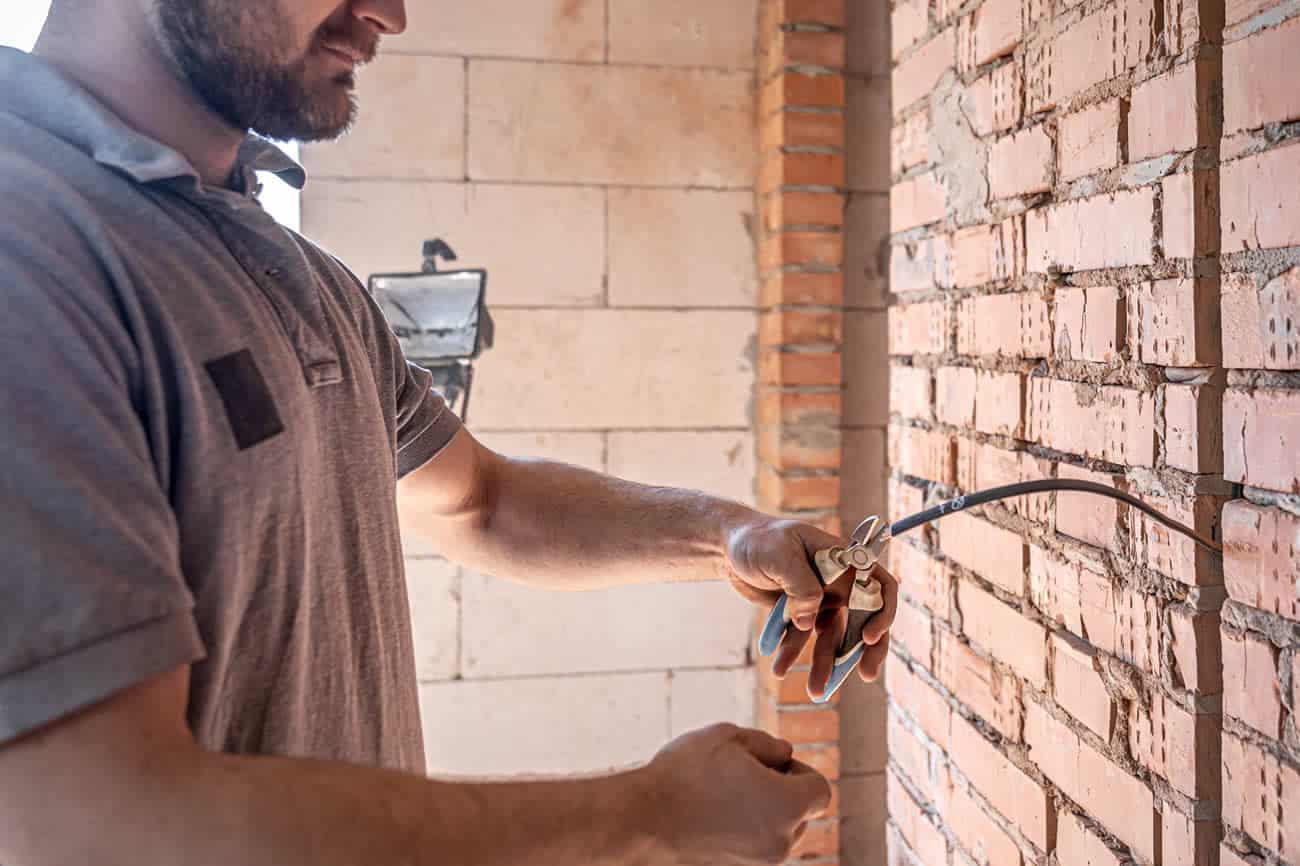
If you’re planning a full rewire, one of the smartest questions you can ask is what cables should I install when I rewire my new house. This stage of a renovation or new build is the single best opportunity to properly future-proof your home. Once walls are plastered and floors are finished, adding extra wiring becomes far more disruptive and expensive.
Modern UK homes rely on far more than just electrical circuits. Between smart TVs, streaming devices, home offices, security systems and whole-home Wi-Fi, the demand for reliable cabling has grown massively over the past decade. Many homeowners who skip proper pre-wiring end up paying twice later to retrofit the network or TV points.
At The Aerial Guys, we regularly help homeowners across the UK plan structured cabling during rewires and renovations. In this guide, we’ll walk you through exactly which cables to install, where to run them, and how to future-proof your property so it stays ready for whatever technology comes next.
Why Planning Your Cables Early Matters
When your property is at the first-fix stage — with walls open and floors lifted — running additional cables is quick, clean and relatively inexpensive. Once the second fix is complete, even a simple extra cable can involve chasing walls, lifting carpets or installing visible trunking.
Planning early gives you flexibility. It allows you to think beyond today’s needs and consider how your household may use technology in five or ten years. Many UK homeowners now work remotely, stream in multiple rooms, and rely heavily on smart devices. Without a proper cabling infrastructure, Wi-Fi alone often struggles to keep up.
Early cable planning also helps improve property value. Buyers increasingly look for homes that are ready for fibre broadband, multi-room TV and home networking. A well-wired property stands out compared with one that still relies on minimal legacy wiring.
Key benefits of planning during a rewire include:
- Lower installation costs because cables are run before plastering begins.
- Cleaner finish with no need for surface trunking later.
- Greater flexibility for future technology upgrades.
- Improved home network reliability compared with Wi-Fi-only setups.
- Better resale appeal for tech-aware buyers.
Put simply, the cheapest time to install cables is when the walls are already open.
The Essential Cables Every UK Home Should Install
When considering what cables to run in a new house in the UK, there are four core categories that every modern property should include. Getting these right creates a solid foundation for TV, internet, and smart-home performance.
Coaxial Cable (TV Aerial Cable)
Coaxial cable remains essential for Freeview distribution across the UK. Even with streaming growth, many households still rely on terrestrial television, and having proper aerial feeds in place keeps your options open.
High-quality cable, such as WF100 or equivalent double-screened coax, is strongly recommended. Cheaper cables often suffer from signal loss and interference, especially over longer runs. During a rewire, it is wise to run coaxial cable to every potential TV location, not just the main living room.
Many aerial specialists now recommend installing twin coax runs to key rooms. This provides flexibility for future upgrades, including distribution systems or additional tuners. It is far easier to install spare coax now than to add it later.
Typical best practice includes running coax to:
- Main living room TV wall.
- Master bedroom TV position.
- Additional bedrooms where TVs may be added later.
- Loft or distribution point for aerial feed.
Satellite Cable (Twin Feeds)
Even if you do not currently use Sky or Freesat, installing satellite cabling during a rewire is highly recommended. Satellite systems typically require twin feeds to support recording and multi-tuner boxes, and retrofitting these later can be disruptive.
Running a shotgun satellite cable (twin coax combined) from the dish location to the main TV position is considered best practice. Many homeowners choose to extend satellite feeds to the loft or a central hub for flexibility.
Future buyers often expect satellite readiness, so this small investment during rewiring can pay off later. It keeps your home compatible with both current and future satellite platforms.
Ethernet (Cat6 or Cat6a)
Perhaps the most important modern upgrade is proper Ethernet cabling. While Wi-Fi has improved significantly, wired connections still deliver the most stable and fastest performance, particularly for streaming, gaming and home office use.
Cat5e was once the standard, but most UK installers now recommend Cat6 as the minimum for new builds and rewires. Cat6 supports higher data speeds and offers better future-proofing. Cat6a is available for higher bandwidth environments, but for most homes, Cat6 strikes the best balance between cost and performance.
Hardwired Ethernet is especially valuable for:
- Smart TVs and streaming boxes.
- Home office computers.
- Gaming consoles.
- Wireless access points.
- Network storage devices.
Installing at least two Ethernet runs to key rooms provides valuable flexibility later.
Fibre Provision or Ducting
With full fibre broadband rolling out rapidly across the UK, forward planning is increasingly important. While you cannot always install fibre internally yourself, you can prepare the route.
Many forward-thinking homeowners now install ducting or draw rope from the external entry point to their central media location. This makes future fibre upgrades much easier and avoids disruptive drilling later.
It is a simple step that can save significant hassle when fibre becomes available in your area.
Room-by-Room Cable Planning Guide
One of the biggest gaps in many rewires is poor room planning. Thinking carefully about each space ensures you install the right cables in the right places.
Living Room
The living room is typically the most cable-heavy space in the house. At a minimum, you should consider:
- Twin coaxial cables for Freeview distribution and flexibility.
- Twin satellite feeds from Sky or Freesat may be used.
- At least two Cat6 Ethernet runs for smart TV and streaming devices.
- Optional HDMI conduit if planning wall-mounted AV systems.
Wall-mounted TV positions should be confirmed early to ensure cables are properly hidden.
Bedrooms
Bedrooms often get overlooked during rewires, but many households now use TVs or streaming devices in multiple rooms.
Recommended approach:
- Single coax minimum to each bedroom.
- One Cat6 Ethernet run for flexibility.
- Consider a spare conduit if future use is likely.
Even if unused initially, these cables are extremely valuable later.
Home Office
With remote working now common across the UK, the home office should be treated as a priority location.
Best practice includes:
- Minimum two Cat6 Ethernet runs for reliability.
- Optional spare cable for redundancy.
- Positioning near desk locations rather than random wall points.
A wired connection here often delivers a noticeably better experience than Wi-Fi alone.
Kitchen or Garden Room
Smart TVs and streaming in kitchens and garden rooms are becoming increasingly popular.
Consider installing:
- Single coax feed if TV likely.
- Cat6 run for smart devices.
- Potential Wi-Fi access point location.
Planning ahead avoids expensive upgrades later.
Structured Cabling and Central Media Hubs
Many modern UK homes now benefit from a central media hub or structured wiring cupboard. This is the location where coax, satellite and ethernet cables terminate before being distributed around the house.
A typical setup may include:
- Network switch for Ethernet distribution.
- Patch panel for structured cabling.
- Aerial and satellite splitters.
- Broadband router location.
- Future smart home equipment space.
Common locations include under-stairs cupboards, utility rooms or dedicated comms cabinets. Loft installations are sometimes used, but can be less convenient for maintenance.
Creating a central hub keeps wiring tidy and makes future upgrades far easier.
Common Mistakes Homeowners Make When Rewiring
Even well-planned rewires can fall short if key details are missed. We regularly see avoidable problems that could have been prevented with better early planning.
Typical mistakes include:
- Not running enough cables to each room, limiting future flexibility.
- Relying entirely on Wi-Fi instead of installing Ethernet.
- Using low-quality coax that suffers from signal loss.
- Poor cable routes make future access difficult.
- Forgetting to allow spare capacity for upgrades.
- Not installing ducting for future broadband.
Another frequent issue is placing TV or data points without considering furniture layout. Careful planning with your installer helps avoid awkward cable positions later.
Professional vs DIY Cable Installation
Some homeowners consider running their own cables during a renovation, and in simple cases this can work. However, professional installation usually delivers a cleaner and more reliable result.
DIY work often runs into problems such as incorrect cable specification, poor termination, or messy routing. Small mistakes can affect signal quality or network performance, particularly over longer cable runs.
Professional installers bring experience, proper testing equipment and knowledge of UK best practice. They also ensure cables are routed safely, labelled correctly and left ready for future expansion.
For many homeowners, the additional cost of professional installation is outweighed by the long-term reliability and neat finish it provides.
Typical Costs for Pre-Wiring in the UK (2025–2026)
Costs for pre-wiring vary depending on property size, cable quantity and access conditions. As a rough UK guide:
- Individual cable runs typically range from £40 to £90 per run during first fix.
- Multi-room packages often fall between £300 and £900, depending on the scope.
- Full structured cabling in larger homes may reach £1,000 to £2,500.
- Retrofitting after plastering can cost two to three times more.
Prices vary regionally, but the key takeaway is that installing cables during a rewire is significantly cheaper than adding them later.
Why Choose The Aerial Guys
At The Aerial Guys, we specialise in helping UK homeowners future-proof their properties during rewires, renovations and new builds. Our team works closely with electricians, builders and homeowners to design practical cabling layouts that support modern living.
We use professional-grade coax and Cat6 cabling, along with proper signal testing equipment, to ensure every installation performs as expected. Our focus is always on neat routing, sensible planning and leaving room for future expansion.
Whether you are rewiring a single property or planning a full new build, we aim to ensure your home is ready for Freeview, satellite, fibre broadband, and whatever comes next.
Frequently Asked Questions
Do I need coax in every room in the UK?
It is strongly recommended. Even if you do not plan to install TVs in every room immediately, running coax during a rewire is inexpensive and provides valuable flexibility later. Many homeowners regret skipping this step when their needs change.
Is Cat6 worth installing in a new house?
Yes. Cat6 is currently the best balance of performance and cost for UK homes. It supports high-speed networking and is far more reliable than relying purely on Wi-Fi, especially for streaming and home working.
How many Ethernet cables should a house have?
Most modern homes benefit from at least two Cat6 cables to the living room and home office, plus single runs to bedrooms. Larger properties or tech-heavy households may require more.
Can I rely on Wi-Fi instead of Ethernet?
Wi-Fi is useful but not always reliable for high-bandwidth tasks. Wired Ethernet provides faster speeds, lower latency and more stable performance, particularly for streaming and gaming.
Should I install satellite cables even if I don’t use Sky?
Yes. Installing satellite feeds during a rewire is inexpensive and keeps your property future-ready. Retrofitting later is far more disruptive and costly.
Where should my media cabinet be located?
A central, accessible location such as an under-stairs cupboard or utility room is usually best. Avoid hard-to-reach loft spaces where possible.
What is the best cable for Freeview in the UK?
High-quality double-screened coax, such as WF100 or equivalent, is widely recommended. It provides strong signal protection and long-term reliability.
Our Final Say!
If you are planning a renovation or new build, asking what cables to install when you rewire your new house is one of the smartest steps you can take. The decisions made at the first-fix stage will shape how well your home handles TV, broadband and smart technology for years to come.
Installing proper coax, satellite feeds, and Cat6 ethernet now is far cheaper and easier than retrofitting later. With streaming demand growing and full fibre rolling out across the UK, future-proof cabling is quickly becoming a must-have rather than a luxury.
With careful planning and the right professional support, you can ensure your home is ready for whatever technology comes next — and avoid the frustration of running out of cables when you need them most.