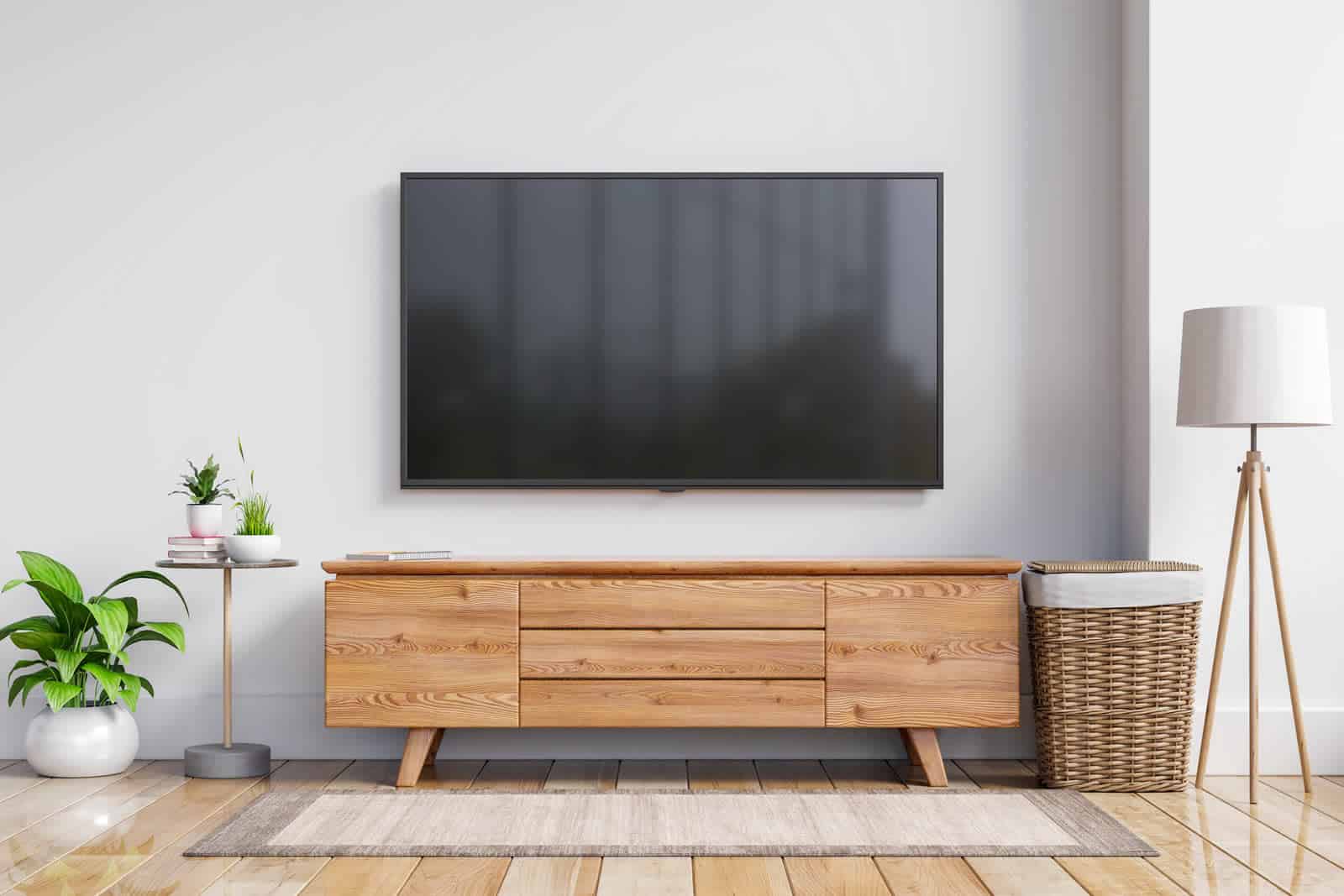
Despite the major advances in streaming services on smartphones and tablets, for many the TV is still the centre of the home and where people socialise; whether it’s watching a cosy film on Friday night or having friends round for the big game.
The average household has 2.6 TVs in use at any one time, with many families using them to watch different shows at once. But while this is great for getting everyone involved, it can also mean that you have to juggle multiple remotes and constantly switch between devices to get what you want.
So how can you simplify your life and make sure you don’t miss out on anything? With smart features built into your TV and clever apps available on your smartphone or tablet, there are plenty of ways to make sure that everything works together seamlessly.
Cable and satellite TV packages are both popular options for people wanting to watch the best shows, movies and sports events. The cable TV package is a traditional TV service that broadcasts the channels you subscribe to, while the satellite TV package is delivered by a satellite dish installed on your roof.
Choosing between cable and satellite is partly about which channels you want to watch, but it’s also about how much you’re willing to pay. We’ve compared the two services below so that you can see how they differ and how they stack up against each other.
Cable TV vs. Satellite TV: What’s available?
With cable TV, you’re limited to only those channels that your provider offers at any given time. So if there’s a channel you really want but isn’t available with your current provider, then it’s unlikely you’ll get it through them at all.
Satellite TV offers more choice as there are thousands of channels available through various packages from different providers. However, some of these channels may only be available in certain parts of the country or country-wide
High Definition
High Definition (HD) TV first launched in the UK in 2005, and since then the amount of HD channels available has gone from strength to strength. If you’ve invested in a larger than average flat screen TV, then it makes sense to want the highest picture quality possible.
HDTVs are much more expensive than standard definition TVs, so if you’re looking at buying a new set it makes sense to buy an HD ready TV first. You can then upgrade to an HD ready Blu-ray player later on, or just use your DVD player and Freeview HD box until you can afford a new TV.
If you already own a large screen TV with good picture quality then there are still things you can do to improve it further. The most obvious thing is to get rid of those ugly wires that run between your remote control and your set top box. A wireless HDMI kit will take care of this problem nicely by sending all the data wirelessly over a single cable. This allows you to hide away all those ugly cables that usually clutter up your living room floor space.
You can also improve the sound quality on your TV by adding better speakers or upgrading to a surround sound system.
Cable TV offers many advantages over satellite TV, but there are also some drawbacks.
Cable TV is usually much more reliable than satellite TV. You won’t have to worry about weather interrupting your signal or a satellite dish being damaged by the wind or snow. You’ll have to pay a monthly fee for cable TV, but it often comes with other services such as internet and phone, making it cheaper than having each service separately.
Satellite TV has a different advantage: it’s basic package is cheaper than cable. However, many people find that they don’t get all the channels they want when they sign up for satellite TV, so this advantage may not be worth much if you’re looking for specific channels like sports or entertainment channels.
Aesthetics
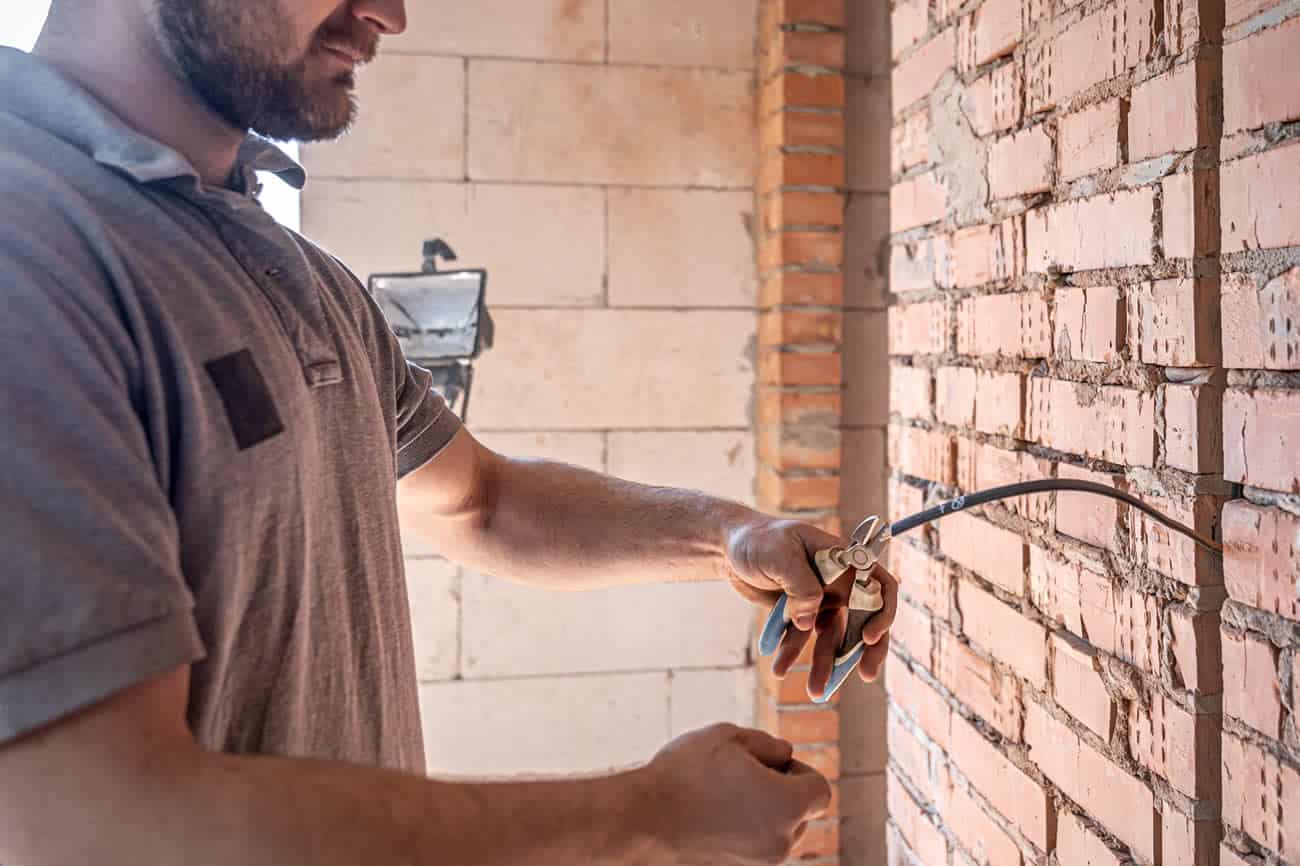
Some people are put off by having to install a satellite dish and cables for their TV service. However, this is no longer essential as many providers offer you the option of using a set-top box instead. The other benefit is that cable can be installed in any room in your house, whereas satellite dishes need to be placed outside.
Cable works by sending signals through wires under the ground and inside your home from a wireless router, plus a set-top box placed near your TV. This is completely undetectable once it’s installed and can be added onto existing services without needing any additional work done.
Satellite TV on the other hand requires the installation of a satellite dish outside or in an attic space. In addition to this, you need to run cables from the receiver box inside your home back outside to connect with the dish itself. This can make for unsightly wiring if not done properly and also increases the chance of damage from weather conditions such as snow or rain.
Channel Selection
The amount of channels available depends on the provider, with Sky providing the widest choice of satellite TV channels at the time of going to press. That’s not to say that cable has a limited selection, in fact one leading provider has the widest range of channels available overall with a whopping 240 stations to choose from. However, cable lacks a handful of exclusive channels that can only be found on satellite TV.
The best way to find out what you’re missing out on is to give satellite TV providers a call and ask them what they do have to offer. You might also want to look online as there are plenty of websites that list all the different channels you can get through different providers.
There are also some premium channels available through satellite TV providers that cable just doesn’t have access to. One example is Sky Sports News which is an excellent channel for sports fans who want up-to-date information on their favourite team or player.
Price
Satellite TV packages can be pricey, especially if you want a bundle with many sports or movie channels. There is the option to pay monthly, though; extra bundles for film or entertainment channels can be added when required. Cable television requires customers to sign a 12-month contract with the TV provider and tends to be more expensive overall. As mentioned, the quality is more reliable, but paying a large sum upfront may be too expensive for some households.
Cable TV has become increasingly popular over the years, especially in areas without satellite signal access. The installation process is relatively simple, and it’s easy to switch from one provider to another if you’re unhappy with your current service. Although there are some limitations with cable service, such as poor picture quality during bad weather conditions and poor customer service, most people find it an excellent way to watch their favourite shows on demand at any time of day or night!
Whether you have satellite or cable, you can still experience problems with your TV aerial. The Aerial Guys are based in the North of England and are experts in TV aerial installation and repair.
Visit their website to see how the friendly team could solve your TV problems today.